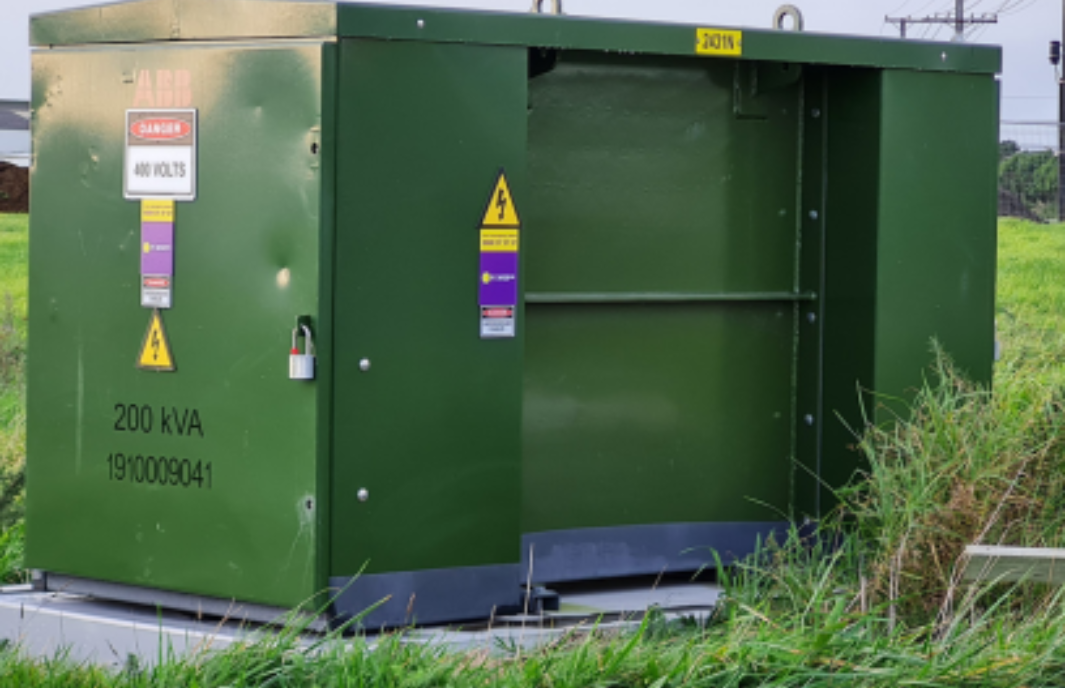
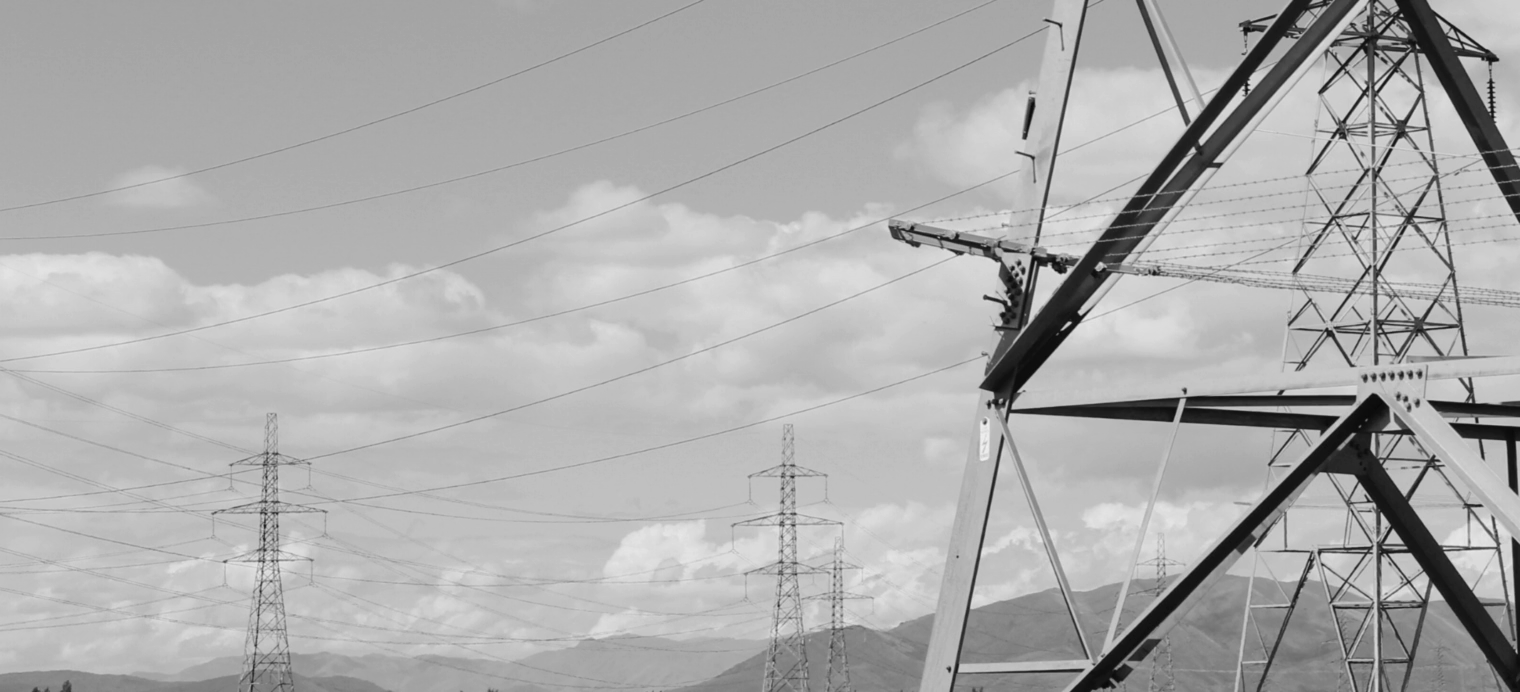







Transpower Tower Signage.
New Zealand
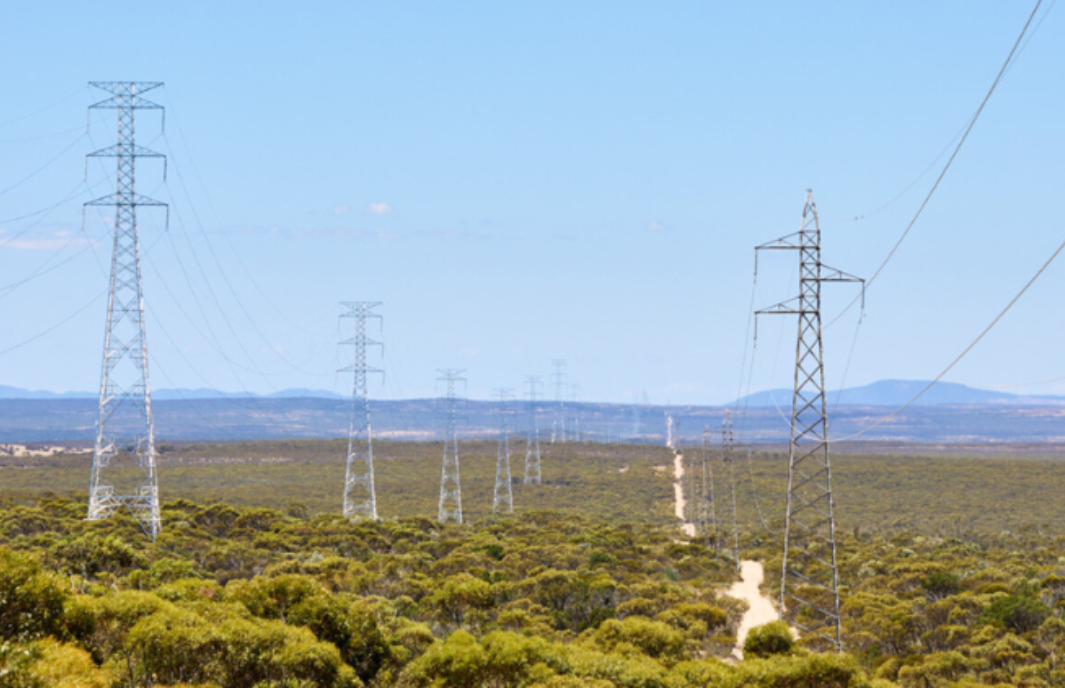
Identimark collaborated with Transpower’s engineering team to design a full range of U3 tower signage. A cost analysis revealed millions in potential savings, and a formal standards update followed.
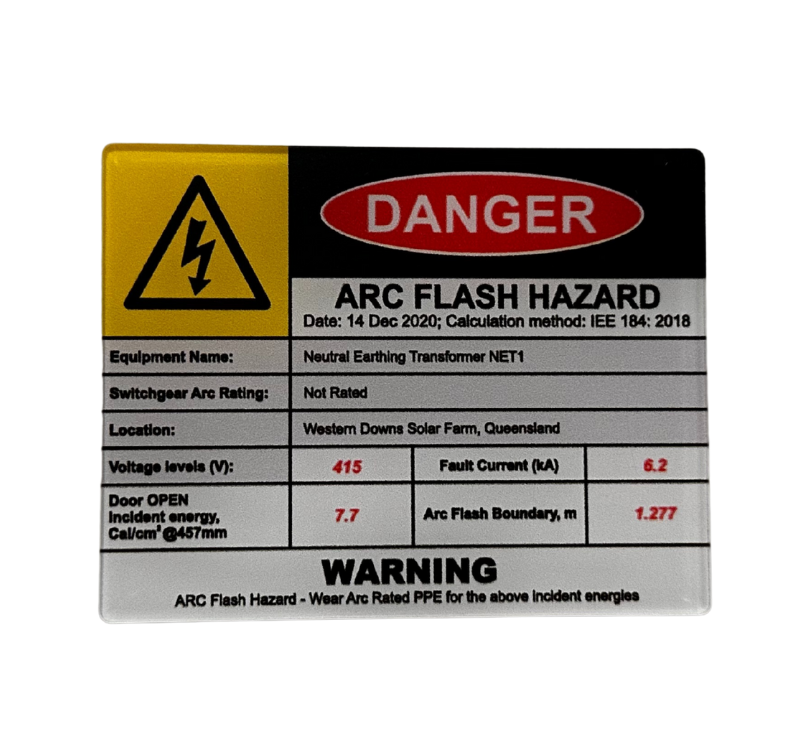
Arc flash signage for high-risk electrical environments — where seconds matter and clarity saves lives. Built to last.
Identimark's arc flash signs protect workers, alert emergency responders, and keep your sites compliant across power, gas, and renewables infrastructure in Australia and New Zealand.
Our arc flash signage is built with U3's UV-blocking polymer — fade-proof, weather-proof, and backed by U3's lifetime guarantee. Field-proven for 32+ years across energy infrastructure. No peeling, fading, or touch-ups needed. Install once and forget.
From general area warnings to site-specific labels. Every U3 product uses a UV-blocking polymer and is backed by a lifetime guarantee.
Arc flash signage is required across every environment where electrical hazards are present.
Get in touch
Substations & Switchrooms
Indoor and outdoor electrical environments where arc flash risk is highest. Switchrooms need boundary signage at entry points and equipment-specific labels on every panel. Our signage handles the confined, high-temperature conditions found in indoor switchrooms.
Solar & Inverter Installations
Inverters and connection points present arc flash hazards on both sides of the system. Compliant signage on inverter housings and combiner boxes is a requirement. Our labels last the full life of the installation.
Battery Energy Storage Systems
Battery storage installations need arc flash signage wherever the assessed hazard level requires it. We supply custom safety signage for battery enclosures, racks, and associated switchgear.
Identimark collaborated with Transpower’s engineering team to design a full range of U3 tower signage. A cost analysis revealed millions in potential savings, and a formal standards update followed.
Identimark supplied aerial ID plates, danger high voltage signs, and tower ID plates - each engineered to ElectraNet’s specific requirements.
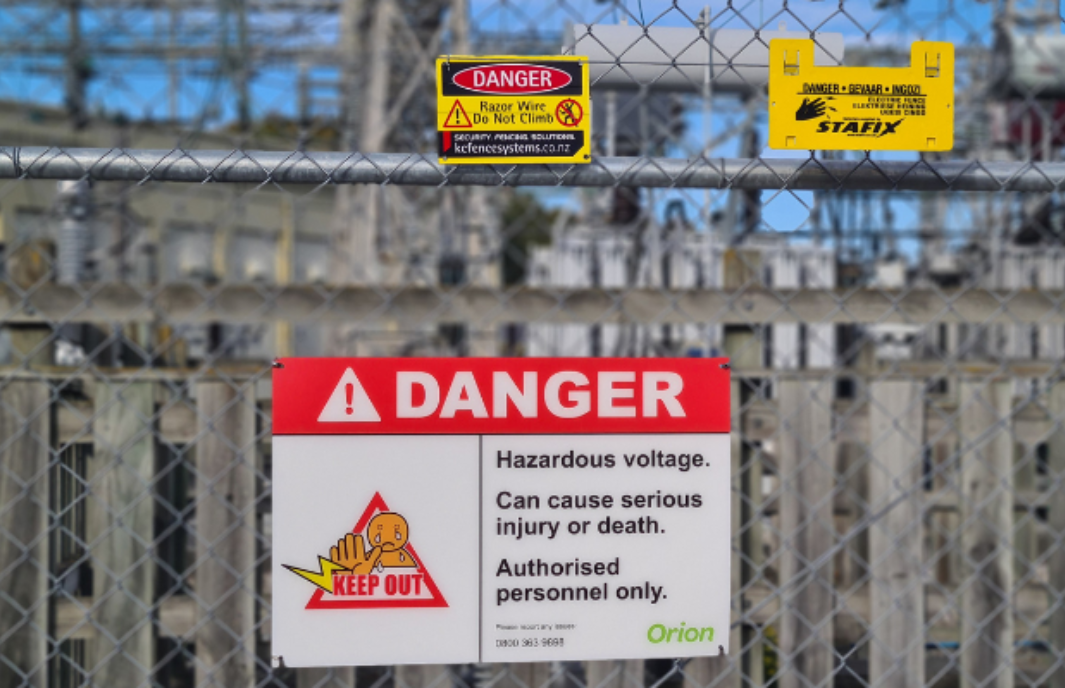
Identimark collaborated with Orion from the RFQ stage, identifying not only technical gaps but opportunities to lift performance. We introduced U3 as a premium solution with proven longevity and UV resistance, and advised on standards.
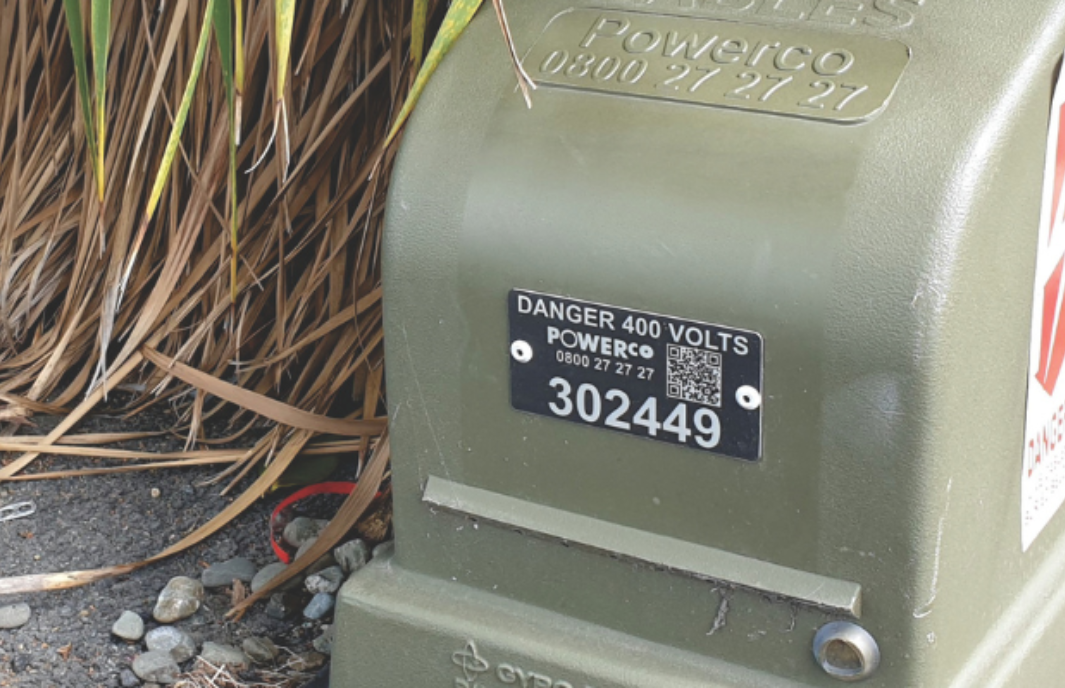
Now live across the network, Powerco’s labelled pillars are safer, faster to work on, and fully integrated into their asset management system.
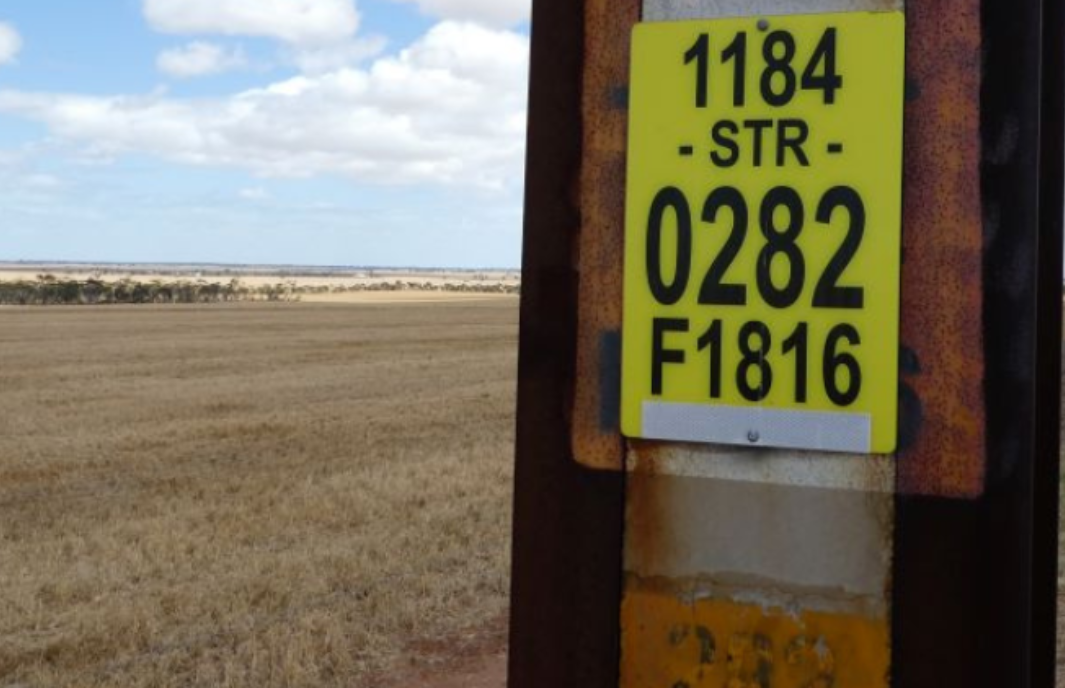
Identimark worked closely with SA Power to trial and select U3 signage for transmission poles. Built for high UV environments and engineered to last over 32 years, the signs also featured a luminous strip to support night-time visibility.
By replacing PVC signage with U3 material and using Natgum adhesive for correct, fast installs, we helped Powerco standardise signage across their assets while reducing total cost of ownership.
Arc flash signage is required on electrical equipment wherever the assessed hazard level triggers a signage obligation. Battery storage installations have separate requirements. Your arc flash study will confirm which assets need signage.
A proper label shows the hazard level, safe approach distances, required protective equipment, equipment identification, and study date. Some sites also require the name of the study provider. We produce labels directly from your study data.
Every five years, or sooner if any change to the system affects fault levels — such as equipment upgrades, replacements, or changes to protection settings.
Signage refers to general area warnings posted at room entries and along approach boundaries. Labels are equipment-specific, fixed directly to switchboards or panels, showing the calculated values from an arc flash study for that piece of equipment.
Yes. Battery storage installations need arc flash signage wherever the assessed hazard level requires it. Solar installations need signage wherever electrical hazards are present. Your study data will confirm the full scope.